
Effective groundwater development depends on properly designed wells, accurate assessment of aquifer properties, and continuous monitoring of groundwater systems. Our pumping test, monitoring, and well design services provide the technical foundation for sustainable groundwater extraction, ensuring that water resources are utilized efficiently while protecting long-term aquifer integrity. Through rigorous field testing, data analysis, and engineering design, we deliver solutions that maximize well performance and safeguard groundwater availability for future use.
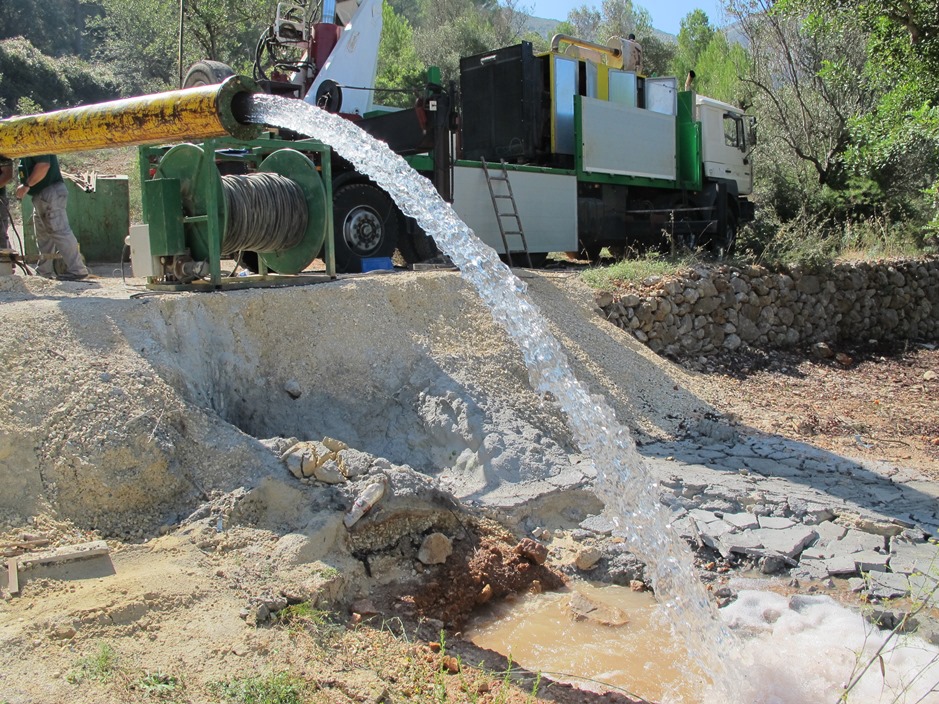
Pumping tests are field experiments designed to evaluate the hydraulic characteristics of aquifers and the performance of water wells. By pumping water from a well at controlled rates and monitoring the response in water levels, we can determine critical aquifer parameters such as transmissivity, hydraulic conductivity, storativity, specific yield, and well efficiency. These parameters are essential for predicting how an aquifer will respond to pumping over time, designing sustainable abstraction schemes, and assessing the impact of groundwater development on surrounding wells and surface water features.
We conduct various types of pumping tests depending on project requirements and aquifer conditions. Step-drawdown tests involve pumping at progressively increasing rates to assess well performance, determine optimal pumping rates, and identify well losses due to turbulence or clogging. Constant-rate pumping tests are conducted by pumping at a fixed rate for an extended period, typically 24 to 72 hours, while monitoring drawdown in the pumped well and observation wells. Recovery tests measure the rate at which water levels return to static conditions after pumping stops, providing additional data for aquifer analysis. Multi-well interference tests assess the hydraulic connectivity between wells and help delineate aquifer boundaries and flow barriers.
The data collected during pumping tests is analyzed using established hydrogeological methods and software tools. We apply analytical solutions such as Theis, Cooper-Jacob, Hantush-Jacob, and Neuman methods to interpret time-drawdown and distance-drawdown data. Type curve matching and diagnostic plots help identify aquifer type (confined, unconfined, or leaky), boundary conditions, and recharge sources. The results provide quantitative estimates of aquifer properties that are used in groundwater modeling, wellfield design, and sustainable yield assessments. Our analysis also evaluates well efficiency, identifies sources of well loss, and recommends rehabilitation measures where necessary.
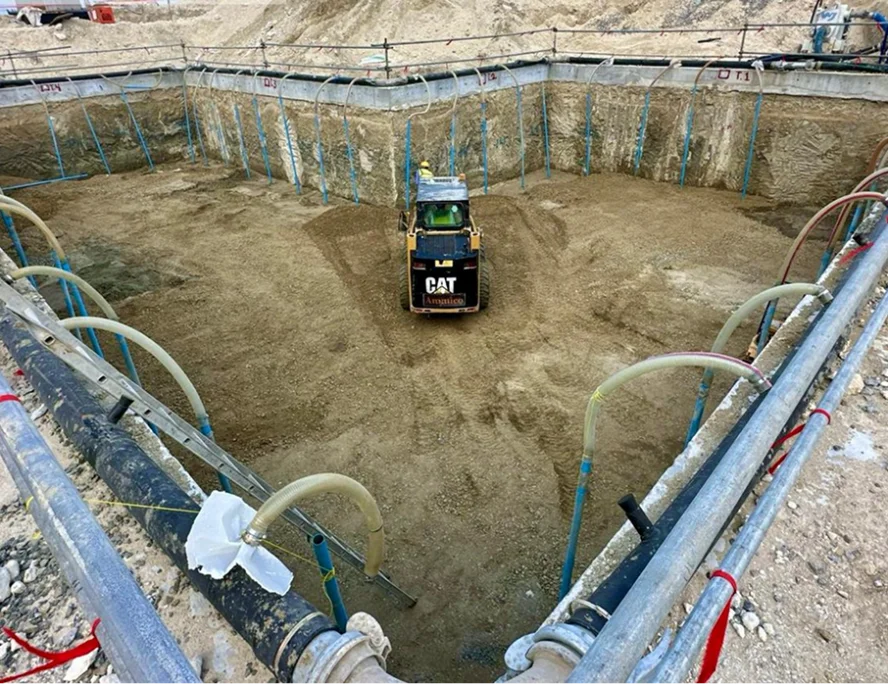
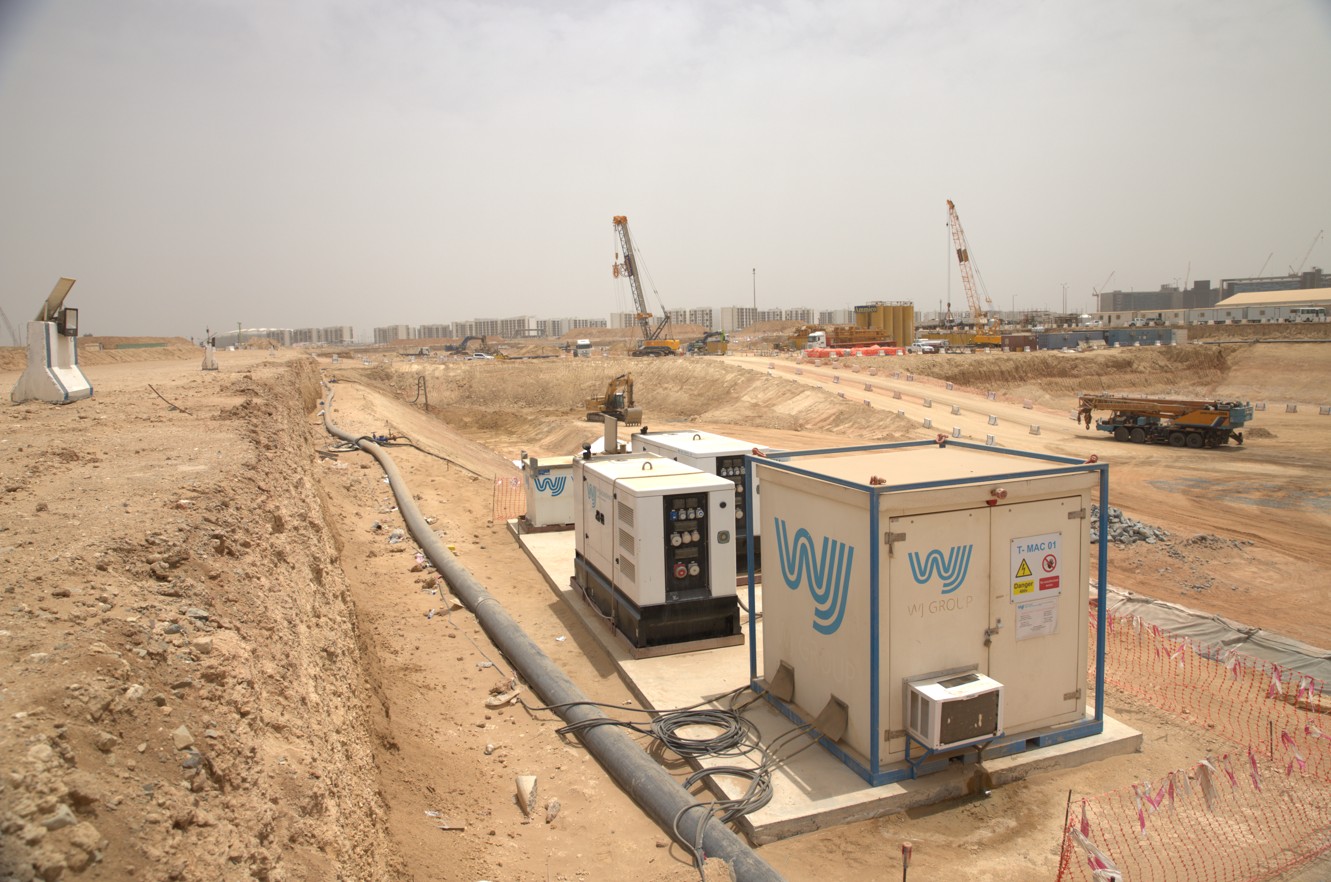
Continuous groundwater monitoring is essential for tracking aquifer behavior, detecting trends, and ensuring sustainable management of water resources. We design and implement monitoring networks consisting of observation wells, piezometers, and automated data loggers to record groundwater levels, temperature, and electrical conductivity. Monitoring data is collected at regular intervals and analyzed to assess seasonal fluctuations, long-term trends, recharge and discharge patterns, and the impact of pumping or climate variability. Our monitoring programs support regulatory compliance, early warning of over-abstraction, and adaptive management strategies for groundwater resources.
Proper well design is fundamental to achieving optimal performance, longevity, and water quality. Our well design services include selecting appropriate well diameter, depth, and construction materials based on aquifer properties, water demand, and local geological conditions. We specify casing and screen materials, slot sizes, gravel pack gradation, and seal placement to prevent contamination and maximize efficiency. Our designs comply with national and international standards and incorporate best practices for well development, disinfection, and pump installation. We also provide construction supervision and quality assurance to ensure that wells are built according to specifications.
Selecting the right pump for a groundwater well involves matching pump type, capacity, and head requirements to the well's hydraulic characteristics and intended use. We evaluate submersible pumps, turbine pumps, and surface pumps based on factors such as well diameter, pumping depth, discharge rate, water quality, power availability, and operational costs. Our recommendations consider energy efficiency, maintenance requirements, and long-term reliability. We also assist with pump installation, commissioning, and performance testing to ensure that the system operates safely and efficiently.
Our pumping test, monitoring, and well design services support a wide range of applications including municipal water supply development, agricultural irrigation schemes, industrial water sourcing, mining dewatering operations, geothermal energy projects, and environmental remediation programs. We work with government agencies, water utilities, private developers, and consulting firms to provide reliable, cost-effective solutions that meet technical, regulatory, and sustainability requirements. Our expertise ensures that groundwater resources are developed responsibly and managed for long-term benefit.