
A source starts a mechanical vibration, which then moves to the vibration's destination. These waves are earthquake vibrations. Simply said, the vibration is a change in stress level brought on by a disturbance. All displacement-supporting directions are affected by the vibration. The vibration easily transfers between different media, from solids to liquids or gases, and vice versa.
The location of the first disturbances will create a spherical shell or wave front in a uniform material since a source generates motion in all directions. Seismic waves can be divided into two main categories: surface waves, which only occur near boundaries, and body waves, which travel through the entire volume of a material.
We specialize in this Geophysical Techniques that are offering valuable insights & data.
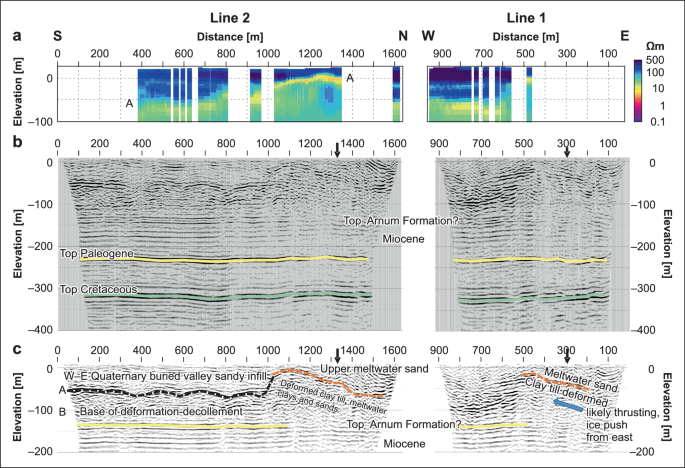
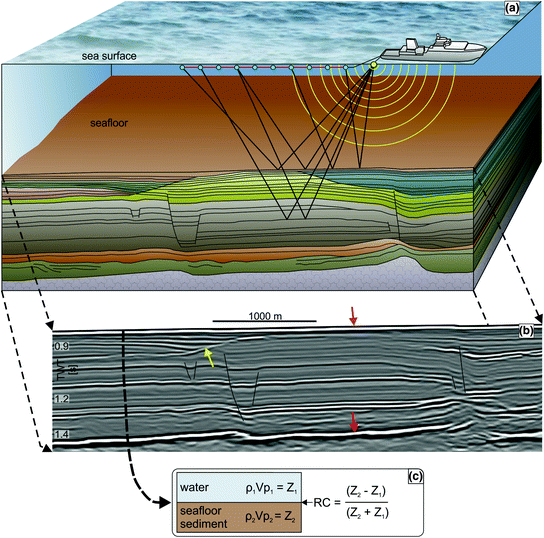
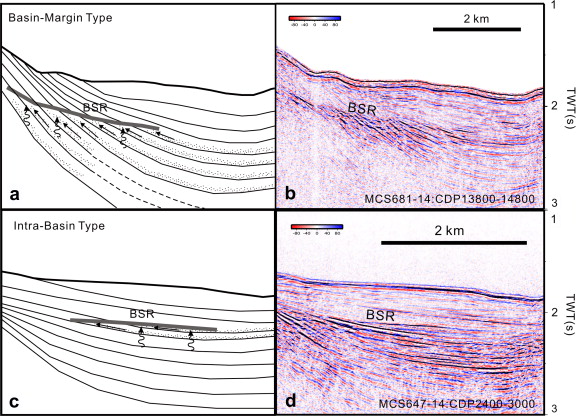
Seismological concepts are applied in the geophysical exploration technique known as seismic reflection to determine the characteristics of the Earth's subsurface from reflected seismic waves. A controlled seismic energy source is needed for the technique, such as dynamite, a specialized air pistol, or a seismic vibrator, also known by the brand name Vibroseis. It is possible to determine the depth of a feature by noting the amount of time it takes for a reflection to reach a receiver.
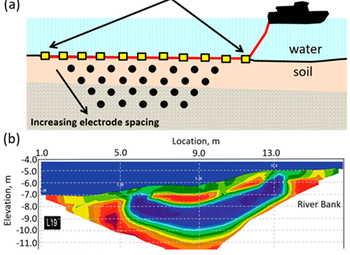
The seismic technique known as multi-channel analysis of surface waves (MASW) is used to characterize the shear wave velocity of the subsurface. The MASW method induces a sound wave into the subsurface and records it along a traverse line that has a variety of sensors, similar to seismic refraction. To ascertain how the shear wave velocity varies with depth, MASW uses the dispersive characteristics of Rayleigh-type surface waves
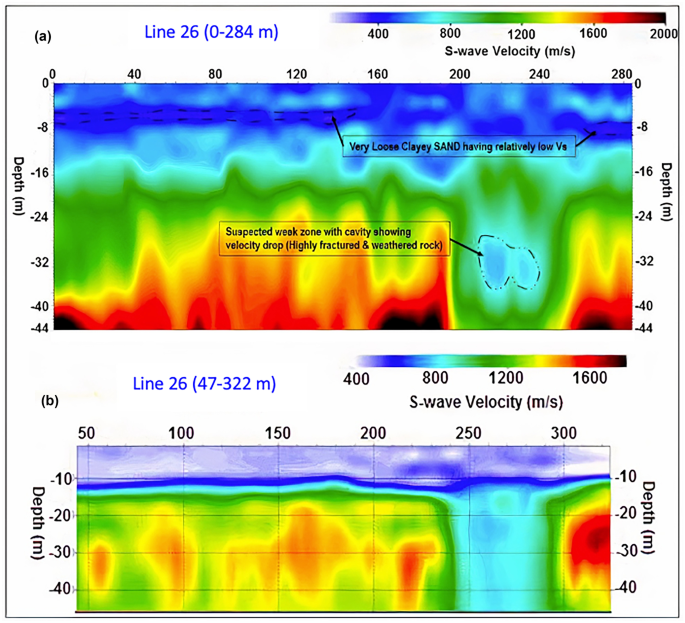
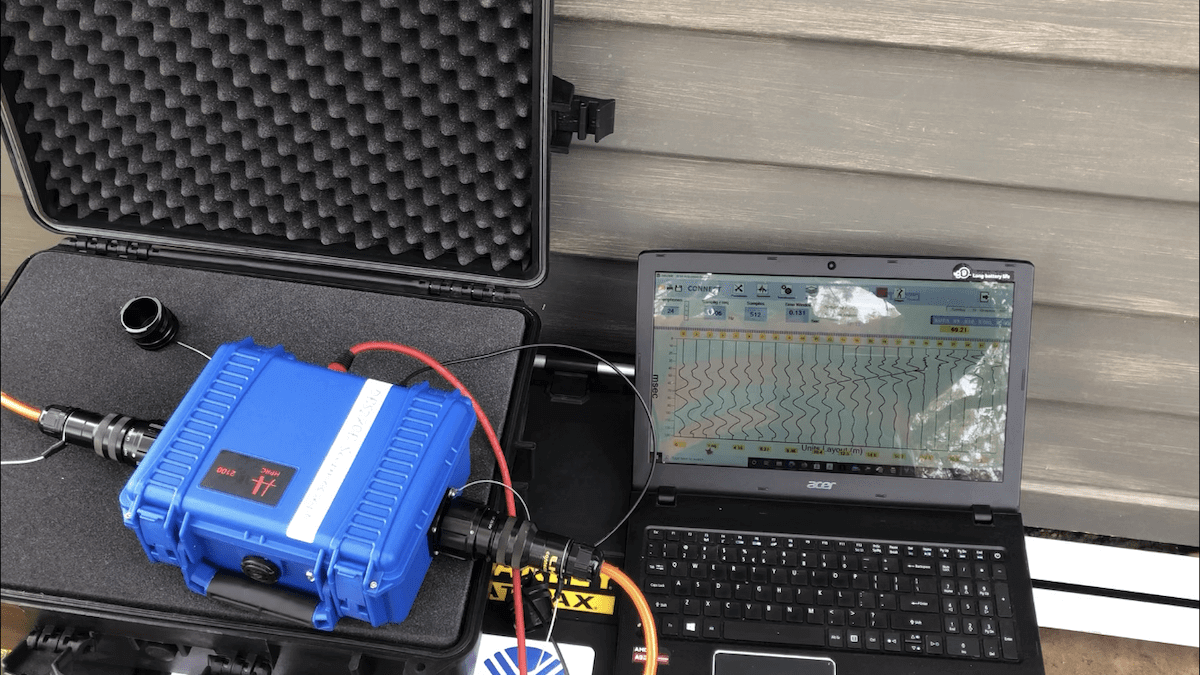
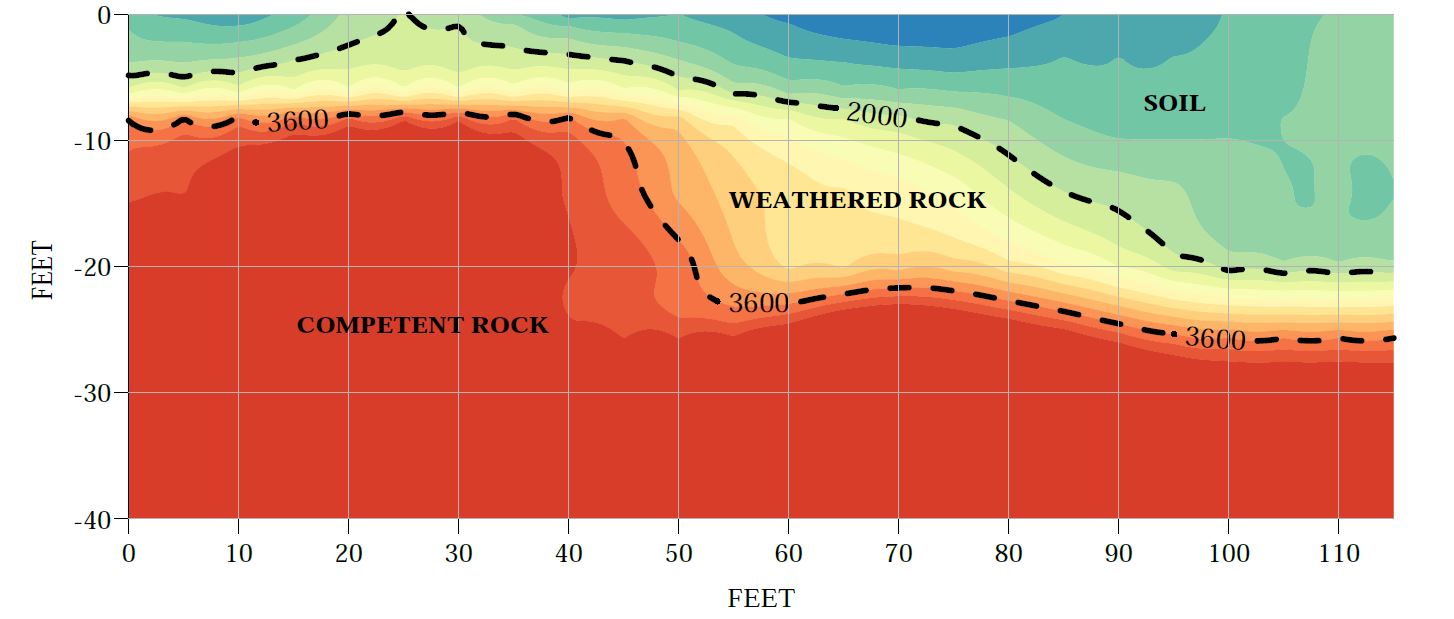
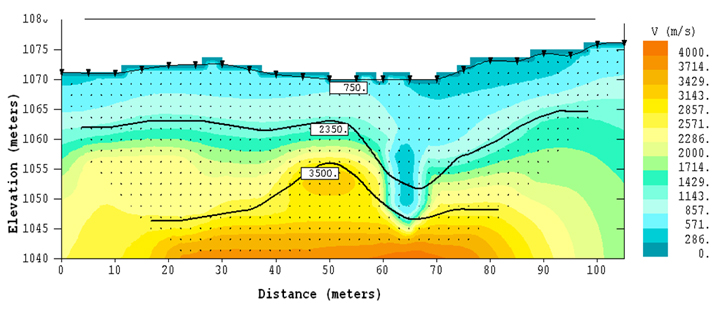
The seismic refraction method is based on the measurement of the time it takes for seismic waves to flow through soil and rock at the interfaces between subsurface layers moving at various speeds. This characteristic often corresponds well with changes in lithology, degree of fracturing, and weathering. It also typically correlates well with rock hardness and density. Under most circumstances, seismic refraction continues to be the best technique for precisely mapping the depth to competent bedrock.
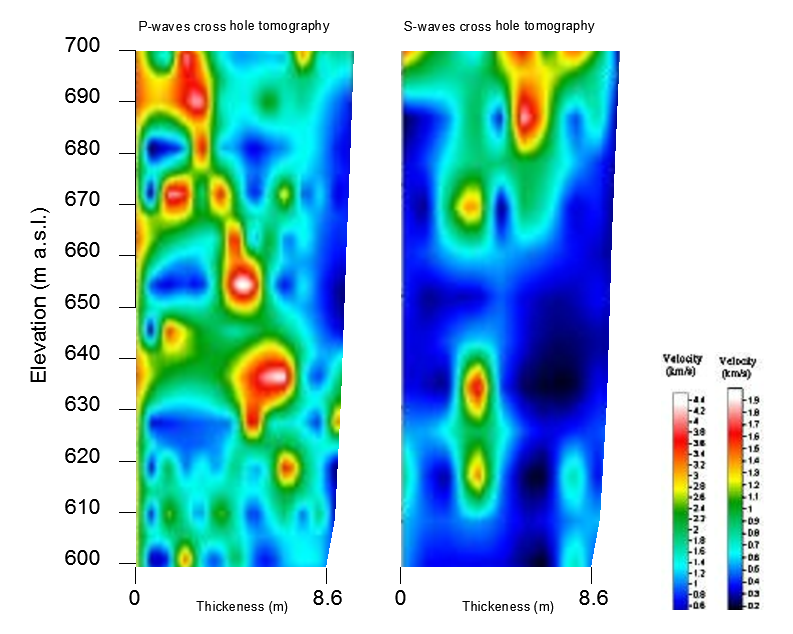
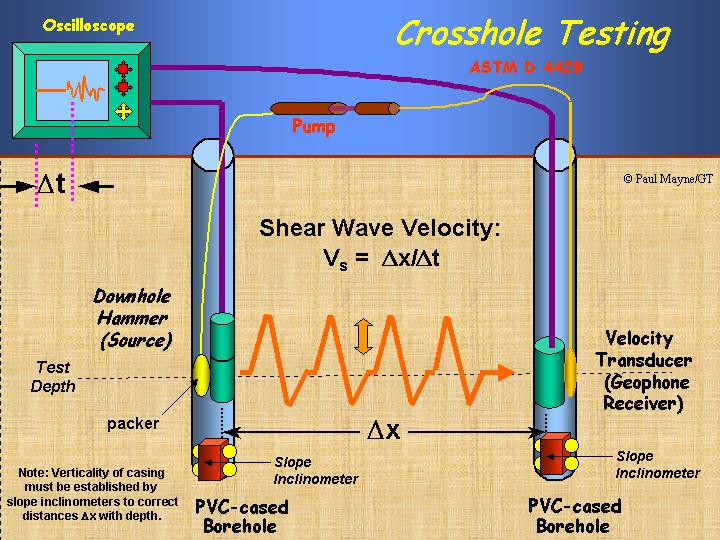
One borehole is all that is needed for down-hole. At a predetermined distance from the top of the borehole, seismic energy is created on the surface. At regular intervals down the hole, the first-arrival seismic wave travel times are monitored. Cross-hole measurement entails timing the transfer of seismic energy between two boreholes. While the other hole is utilized to track the arrival of the seismic energy, one hole is used to deploy the source.