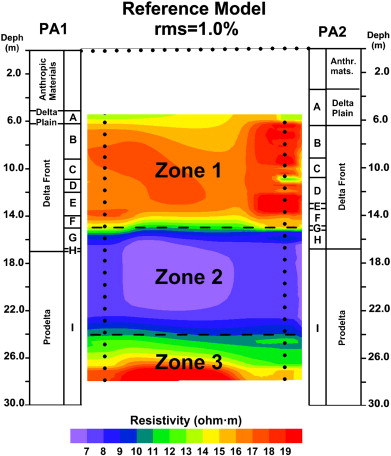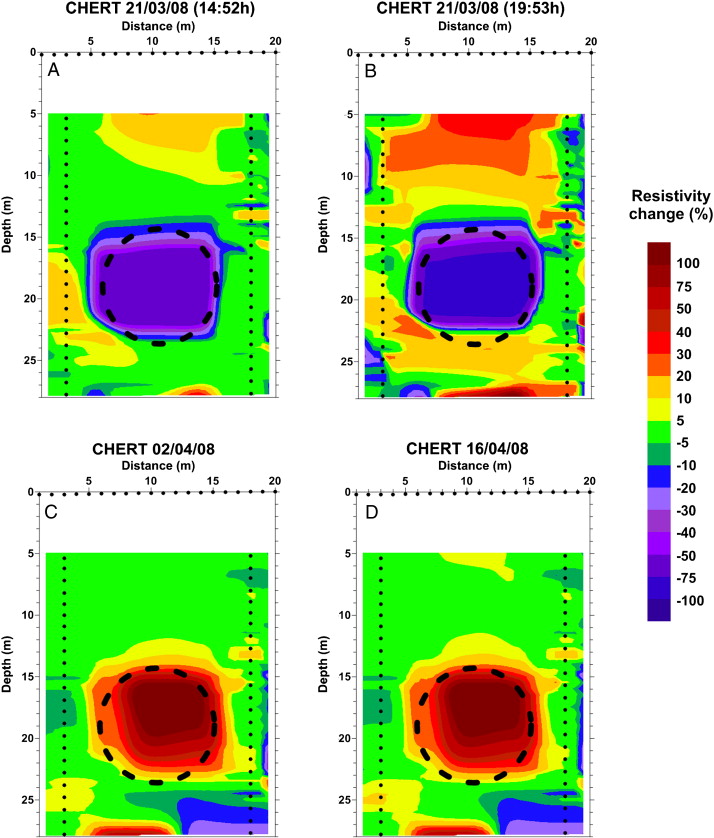

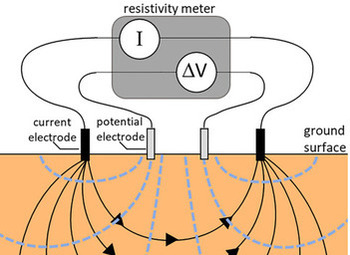
The ground material, the presence and saturation level of fluids, and the presence of buried objects all affect the electrical characteristics of the subsurface. The distribution of these qualities as a function of depth and horizontal distance is described using electrical approaches. Two metal stakes are used to conduct an electric current into the ground to measure ground resistance.
Voltage is the unit of measurement for the electrical potential difference between two extra electrodes (potential electrodes). This voltage can be transformed into a resistance measurement for the ground between the two potential electrodes by applying Ohm's law. When the electrode spacing is close, the field between the electrodes is only distributed on the surface; however, when the electrode spacing is wider, the electrical flux runs deeper. An electrical profile model of the subsurface can be created using the data set provided by the potential at the surface, which will reflect these path differences.
We specialize in this Geophysical Techniques that are offering valuable insights & data.
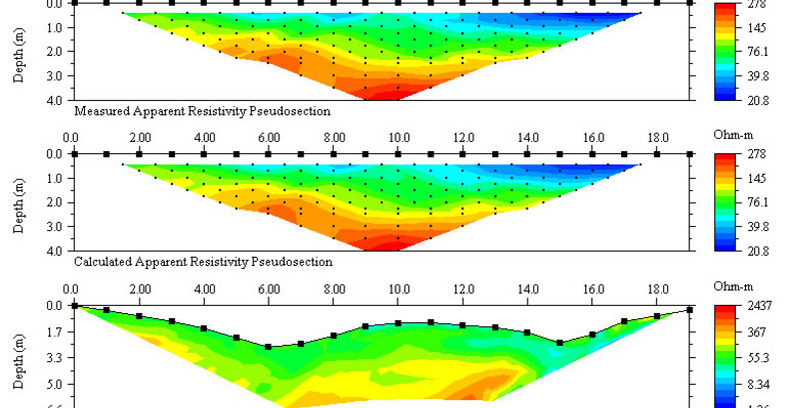
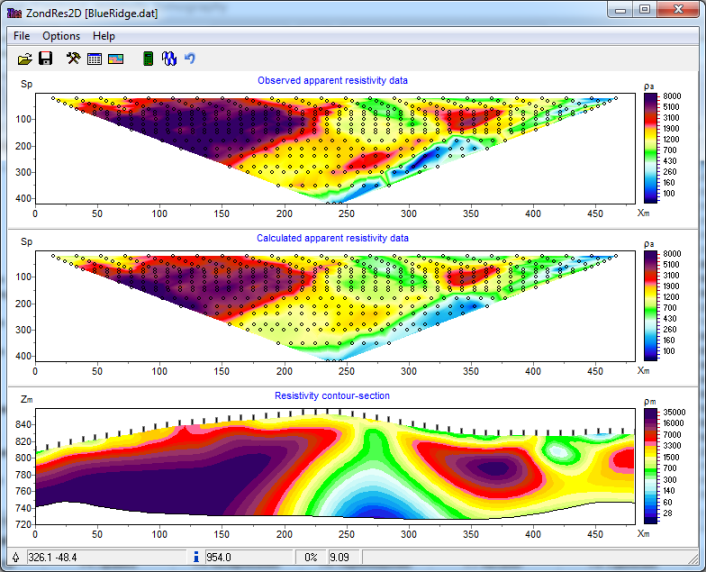
Direct current is used in the geophysical technique known as electrical resistivity tomography (ERT) to measure the earth's resistivity. Steel electrodes buried in the ground are used to inject current into the subsurface, and a profile or area's apparent resistivity distribution is measured. A two- or three-dimensional resistivity model of the subsurface can be created using data processing and inverse modelling.
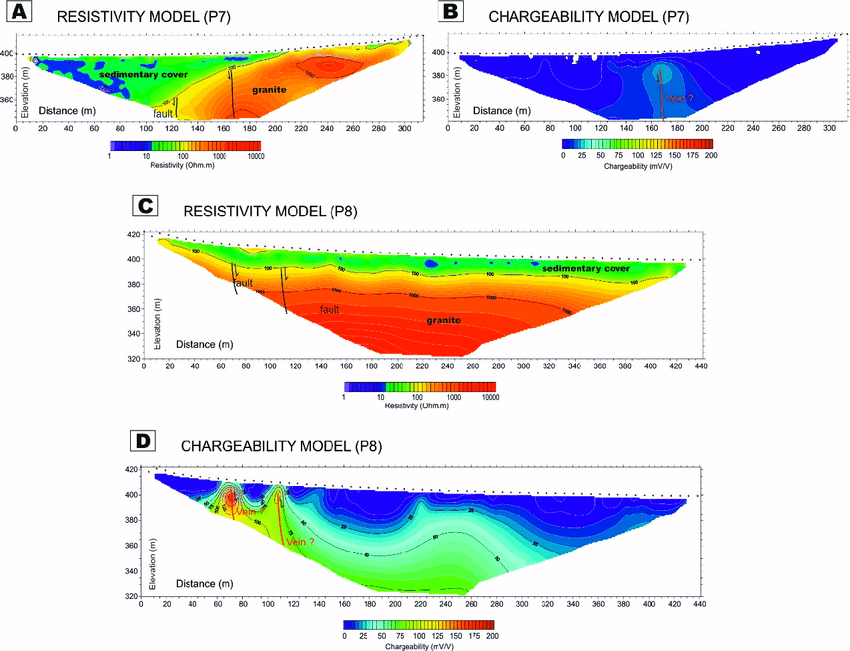
Some minerals exhibit Induced Polarization (IP). When currents are turned on and off, it is analogous to the charge-discharge behavior of capacitors. When the current pulse is turned off, a decline curve can be seen at the receiving electrodes if IP effects are present. This deterioration is measured by the chargeability.
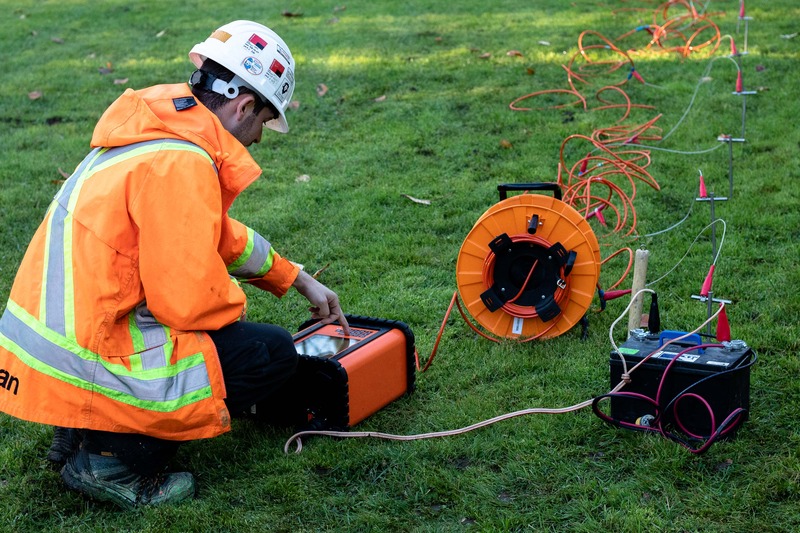
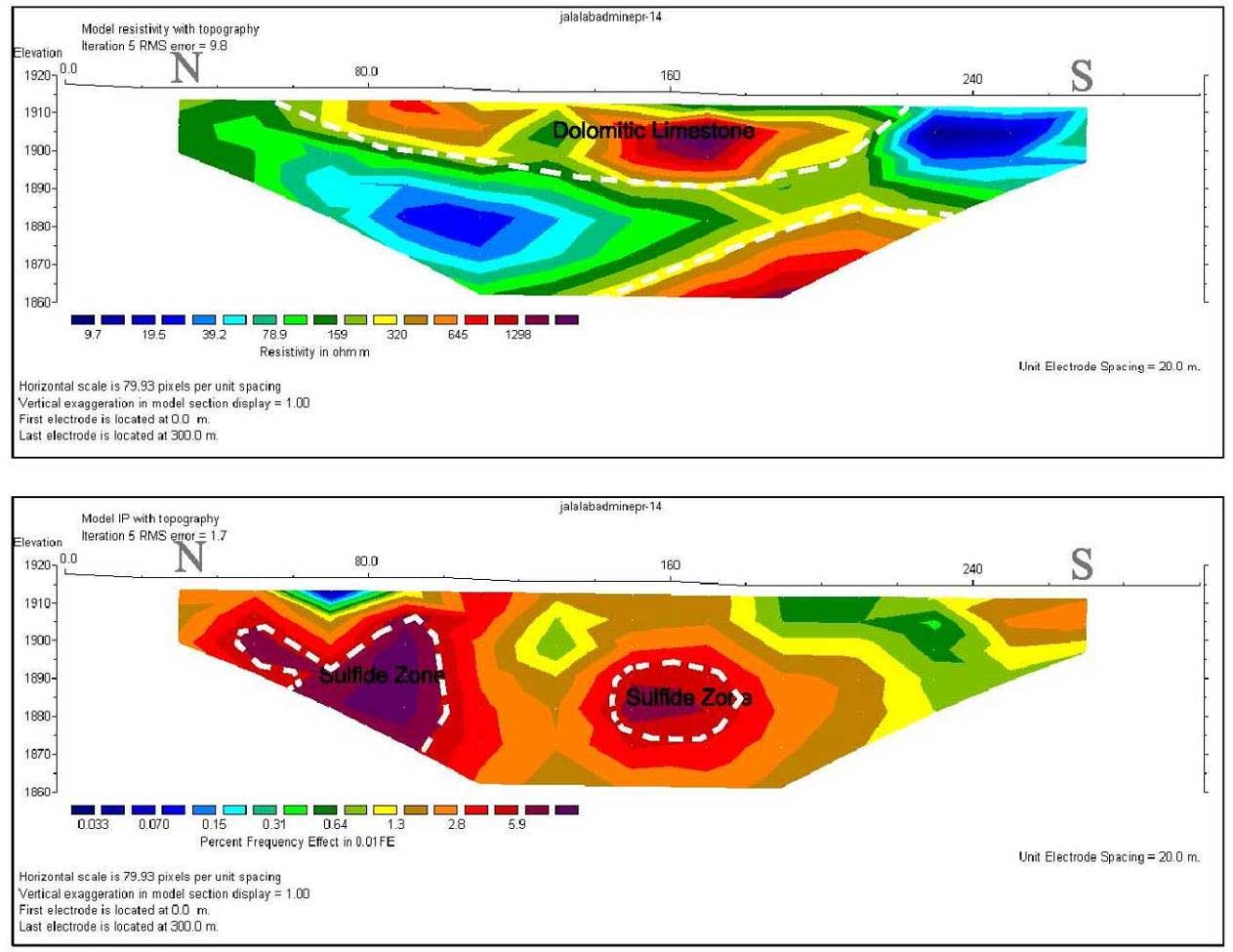
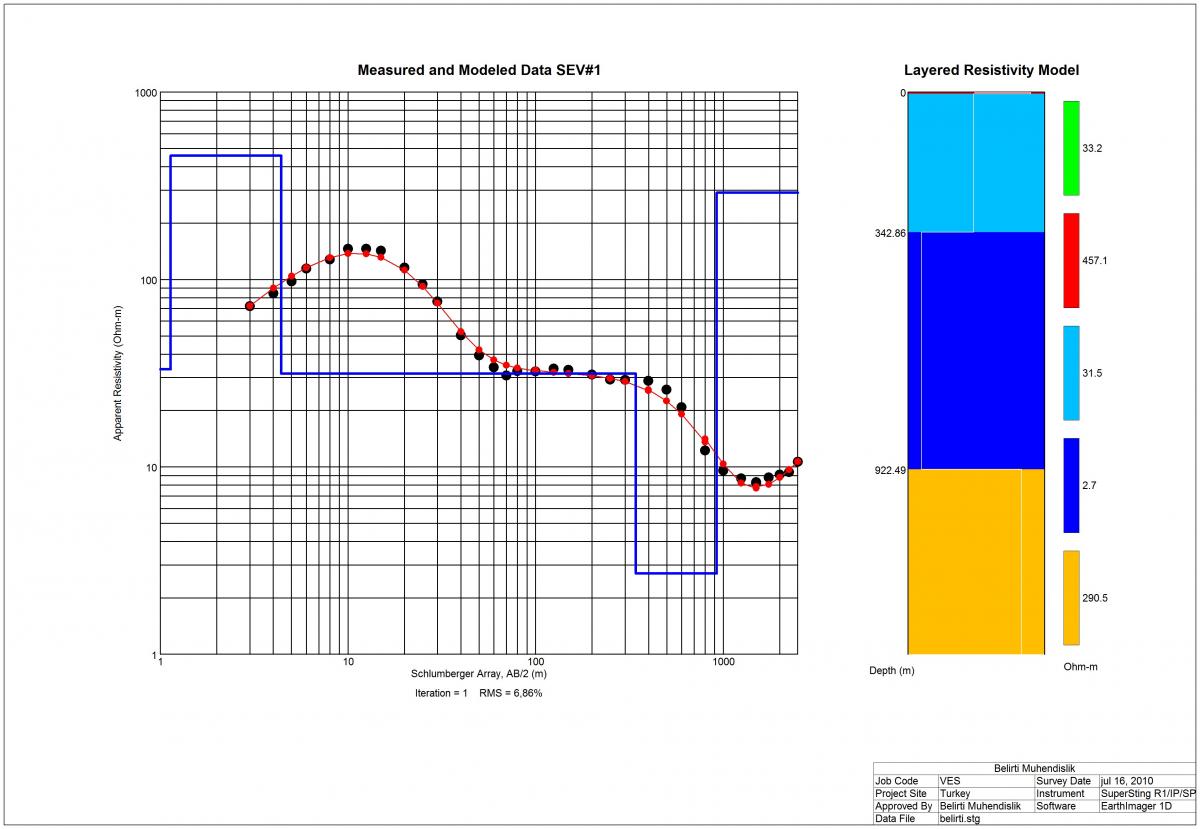
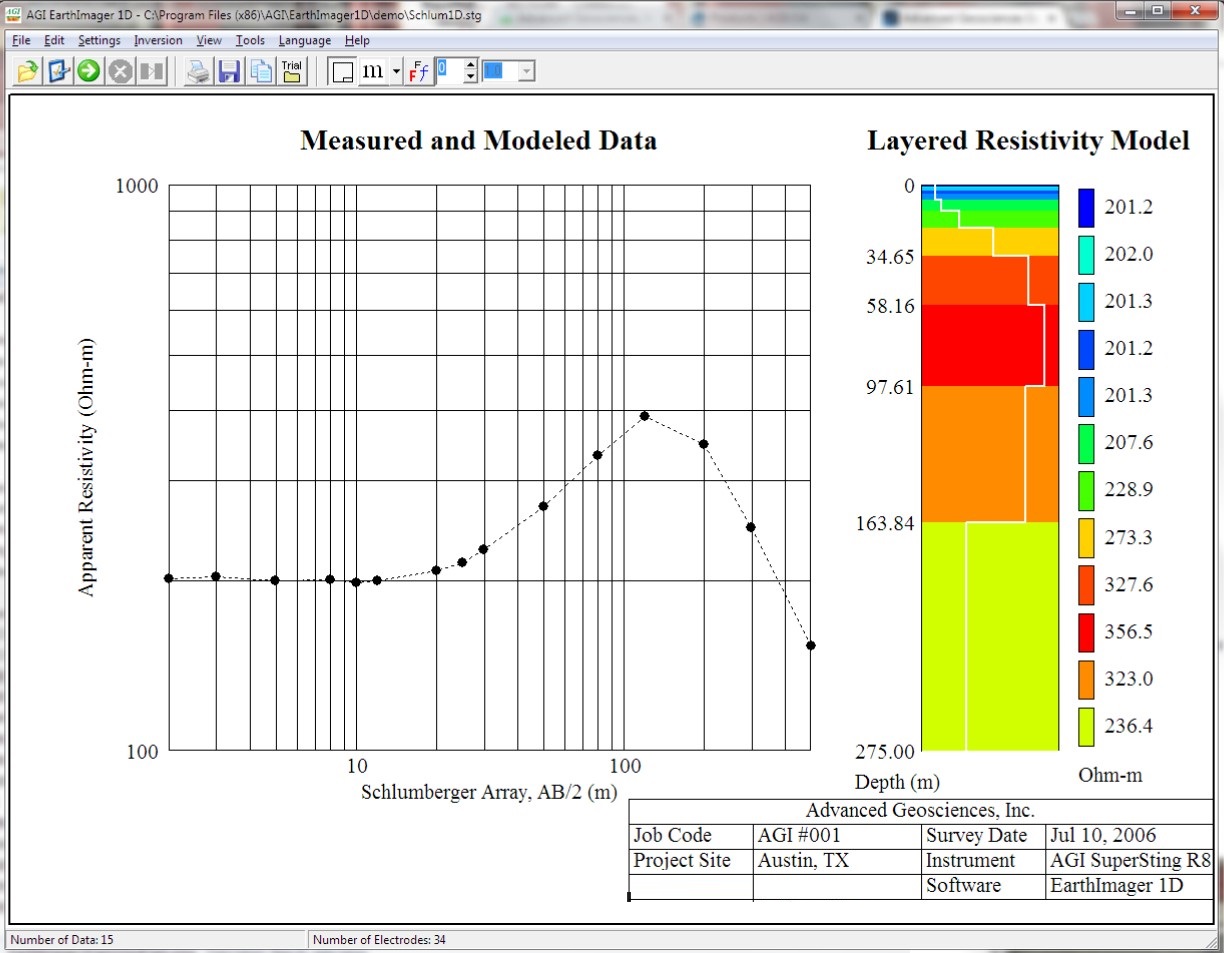
The Schlumberger or Wenner electrode arrays are typically used in the electrical resistivity approach known as VES. These resistivity survey setups typically consist of four electrodes and increase in electrode spacing. Longer electrode spacing measures deeper into the subsurface while shorter electrode spacing measures the resistivity distribution in the shallow subsurface.
Cross-hole Resistivity The capacity to do cross-hole surveys is called tomography. Using a conventional surface system, this is operated with the addition of specialized down-hole cables. For the majority of applications, the typical depth restrictions are between 150 and 300 m. Both surface-to-borehole and borehole-to-surface surveys are options. Cross-hole data and surface array data can be merged to enhance the image quality.