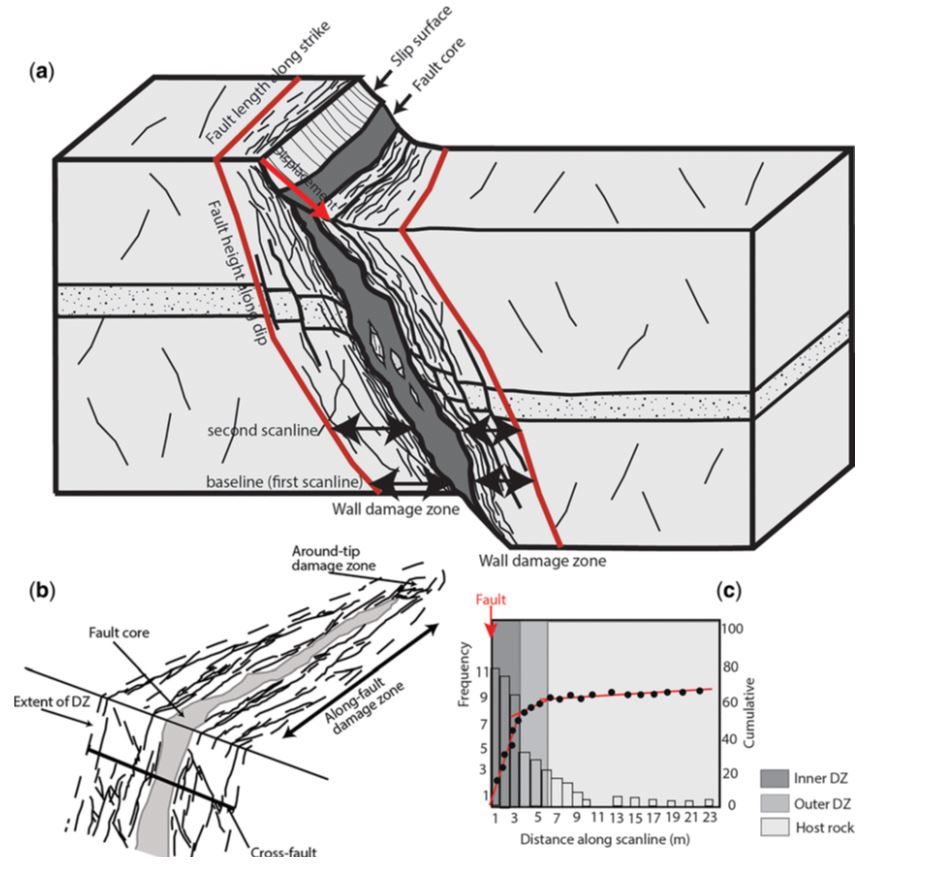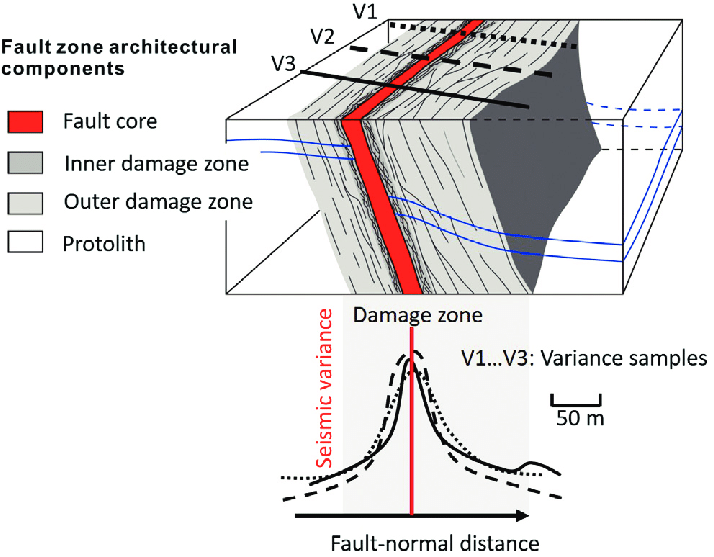


Fractures and joints are geological features that result from brittle deformation within rocks. Unlike faults, where there is relative movement along surfaces, fractures and joints involve the breaking of rock without significant displacement. These fractures can vary in scale, ranging from microscopic cracks to large fissures visible in outcrops.
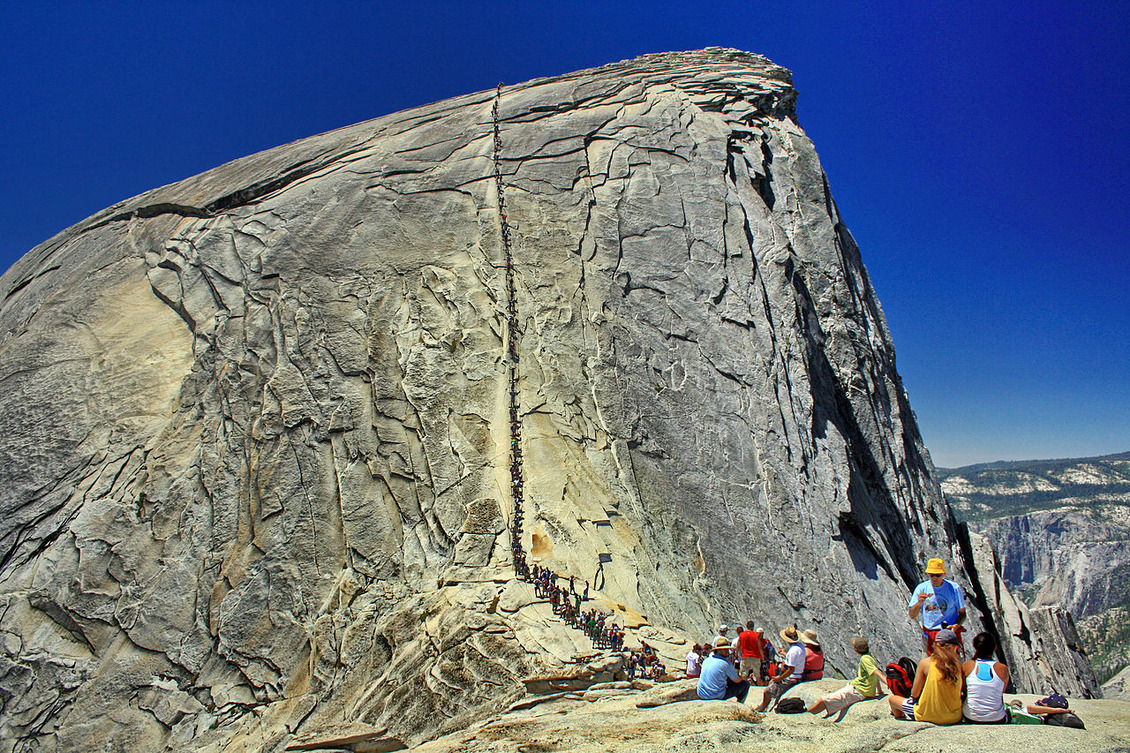
The formation of fractures and joints is closely linked to brittle deformation, which occurs when rocks undergo stress beyond their elastic limits. Understanding the orientation, spacing, and distribution of fractures can provide valuable insights into the tectonic history of an area, shedding light on past geological processes and the stresses rocks have experienced.
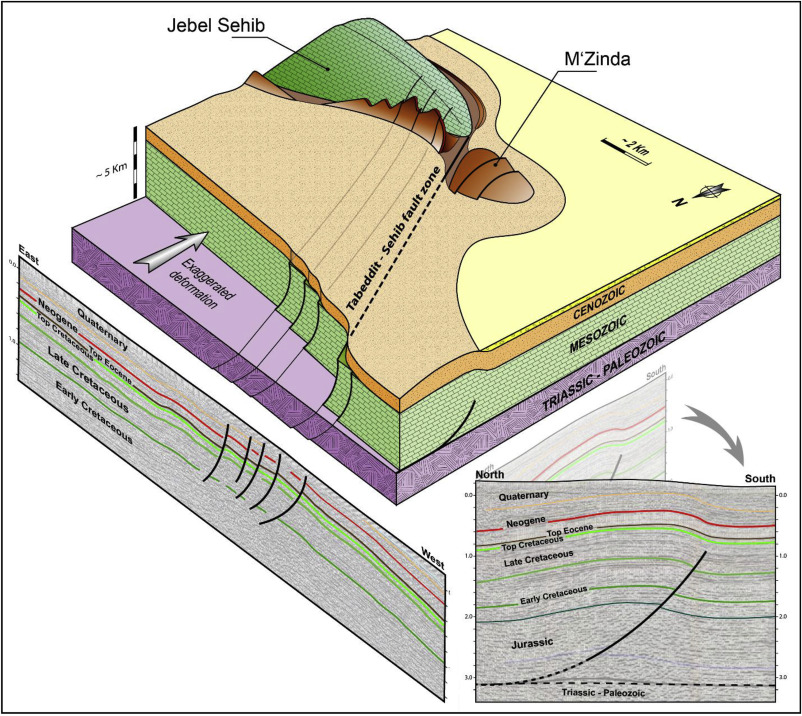
Resource exploration, particularly in the mining industry, relies on understanding, the fractures
Various geological and geophysical techniques are employed to analyze fractures and joints. Structural geologists use field observations, mapping, and measurements to characterize fracture patterns. In conclusion, fractures and joints are significant geological features that provide valuable information about the history and behavior of rock formations. Whether in engineering geology or resource exploration, a comprehensive understanding of fracture characteristics is essential for making informed decisions related to construction, excavation, and mineral extraction.