Geotechnical Services: Geotechnical Geophysics
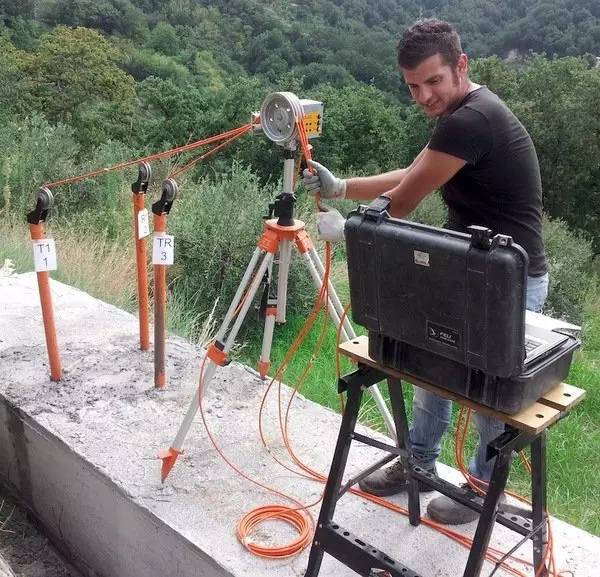
The use of geophysics to problems in geotechnical engineering is known as geotechnical geophysics. For vast study regions, a geotechnical geophysical survey is the most efficient way to gather subsurface data. Geotechnical geophysics can be used to choose the placement of a borehole and can offer trustworthy details about the sub surface’s nature and variability.
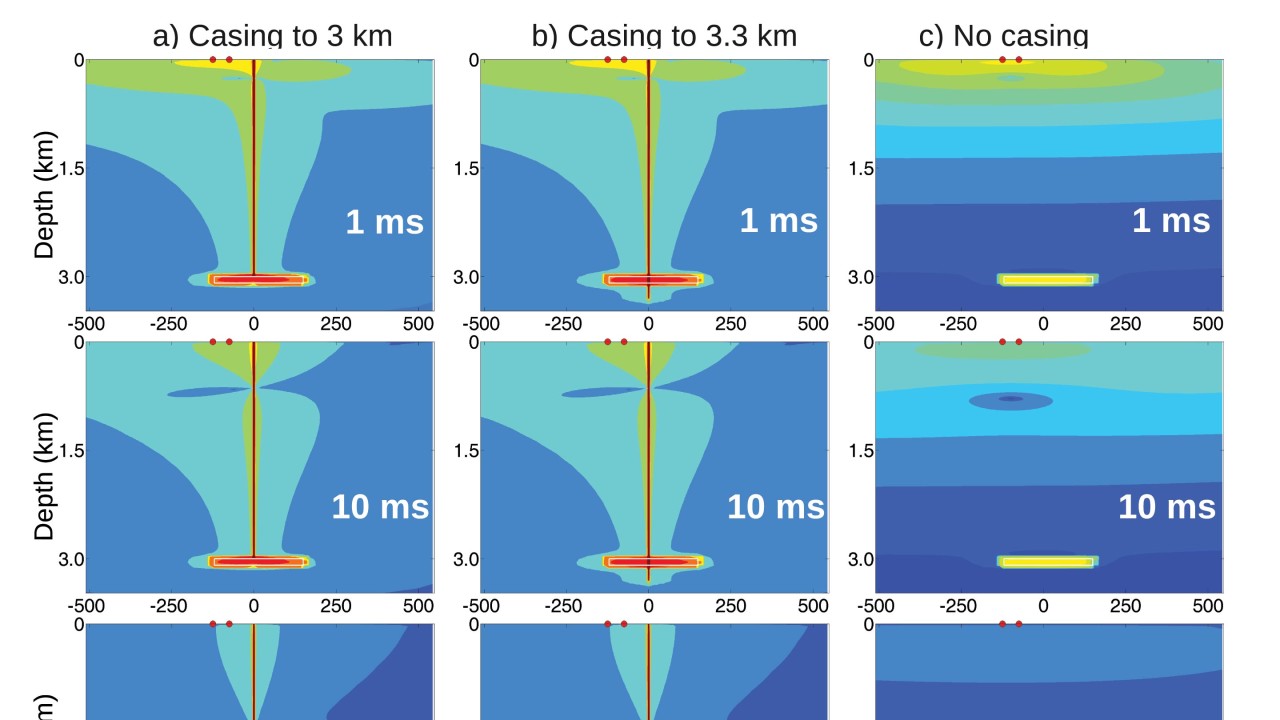
A successful geophysical survey could identify the presence of the pinnacle and map its height and aerial extent while a normal drilling program might miss an isolated geologic formation like a accessibility. Geophysical equipment can frequently be used in places that drill rigs might find difficult to access, including beneath bridges and power lines, in cities, on steeply sloping terrain, in swampy areas, on pavement or rock, and in other urban settings.

Applications & Use Cases
We specialize in this Geotechnical Techniques that are offering valuable insights & data.
- Non-Invasive Site Assessment
- Cost-Effective Exploration
- High-Resolution Imaging
- Characterization of Soil, Rock Properties
Geotechnical geophysics proves to be a valuable and cost-effective enhancement to traditional geotechnical studies. By utilizing imaging techniques, it helps identify subsurface characteristics like voids, cracks, and water channels that may elude standard geotechnical approaches. Offering insights into in-situ rock and soil properties, geotechnical geophysics minimizes the need for extensive boreholes, streamlining site research plans efficiently. Additionally, it provides detailed information on latitudinal and vertical variations, aiding in understanding subsurface rock formations. The data obtained can be analyzed both qualitatively and quantitatively, enabling the creation of maps depicting the site's overall bearing capacity and shear velocities. Geotechnical geophysics plays a crucial role in estimating fault positions, geometries, and activities, etc.