

Groundwater management requires sophisticated tools and approaches to predict aquifer behavior, protect water quality, and manage water levels in construction and mining operations. Our integrated services in groundwater modeling, quality assessment, and dewatering combine advanced numerical simulation, comprehensive water quality analysis, and practical engineering solutions. Whether addressing long-term resource sustainability, contamination risks, or temporary water control challenges, we deliver scientifically sound and operationally effective solutions.
Groundwater modeling is a powerful analytical tool that simulates the movement of water through subsurface formations under various conditions and stresses. Using industry-standard software such as MODFLOW, FEFLOW, GMS, and Visual MODFLOW, we develop conceptual and numerical models that represent aquifer geometry, hydraulic properties, recharge and discharge zones, boundary conditions, and pumping scenarios. These models allow us to predict groundwater flow directions, water level changes, drawdown extents, and aquifer responses to abstraction, climate change, or land use modifications. Modeling supports wellfield design, sustainable yield assessment, conjunctive use planning, and the evaluation of management strategies for water resource protection.
Understanding how contaminants move through groundwater systems is critical for protecting drinking water sources and designing effective remediation strategies. We conduct contaminant transport modeling using codes such as MT3D, RT3D, and PHREEQC to simulate the migration, dispersion, degradation, and attenuation of pollutants in aquifers. Our models account for processes such as advection, mechanical dispersion, molecular diffusion, sorption, chemical reactions, and biodegradation. These simulations help predict contaminant plume evolution, assess exposure risks, evaluate natural attenuation capacity, and design pump-and-treat systems, permeable reactive barriers, or other remediation technologies.
Groundwater quality is fundamental to its usability and value as a resource. We conduct comprehensive water quality assessments through systematic sampling and laboratory analysis covering physical, chemical, biological, and radiological parameters. Our testing programs evaluate pH, electrical conductivity, total dissolved solids, major cations and anions, heavy metals, nutrients, organic compounds, pesticides, microbial indicators, and stable isotopes. Data is interpreted using hydrochemical diagrams, statistical analysis, and water quality indices to classify groundwater types, identify pollution sources, assess suitability for different uses, and track temporal and spatial trends in water quality.
When groundwater contamination is detected, rapid and accurate assessment is essential to protect public health and the environment. We investigate contamination incidents through site characterization, source identification, plume delineation, and risk assessment. Our investigations include drilling monitoring wells, installing multilevel samplers, conducting aquifer tests, and analyzing soil and water samples. Based on the findings, we develop remediation strategies tailored to site-specific conditions, which may include source removal, in-situ treatment, bioremediation, chemical oxidation, air sparging, soil vapor extraction, or monitored natural attenuation. We also design groundwater monitoring programs to verify remediation effectiveness and ensure compliance with regulatory standards.
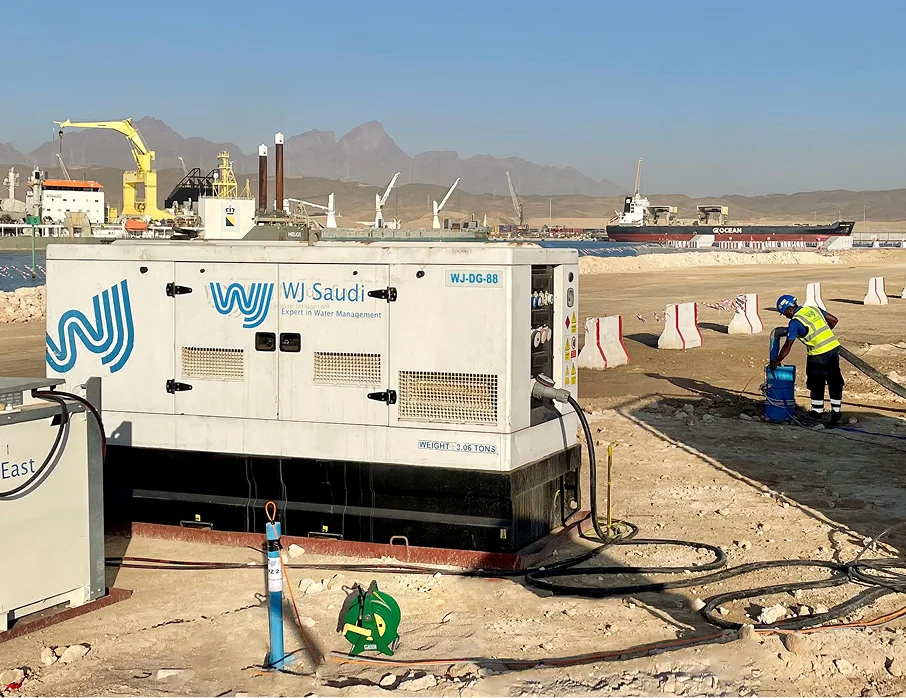
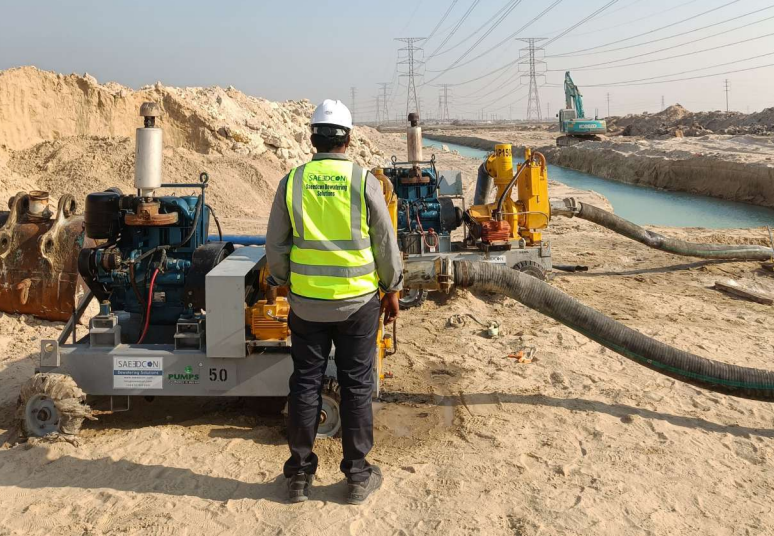
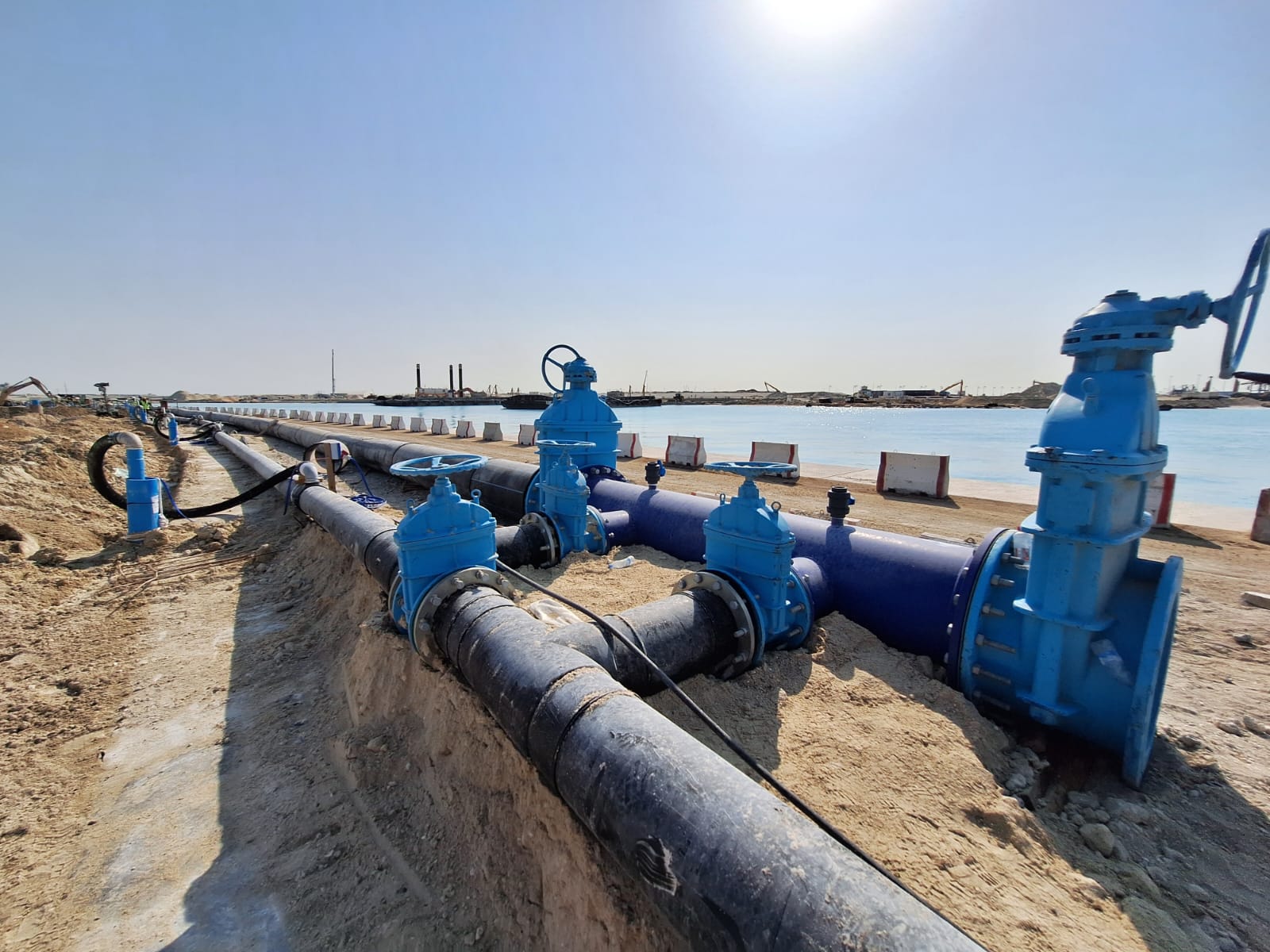
Dewatering is the controlled removal of groundwater to create dry working conditions for construction excavations, tunneling, mining operations, and foundation installations. Effective dewatering requires careful planning, design, and implementation to manage groundwater inflow while minimizing impacts on surrounding structures, water supplies, and the environment. We design dewatering systems using wellpoints, deep wells, eductor systems, sump pumping, or groundwater cutoff methods depending on soil conditions, depth of excavation, permeability, and project constraints. Our designs incorporate predictions of inflow rates, required pumping capacity, zone of influence, and potential settlement or heave effects.
Our dewatering services extend from initial feasibility assessment through detailed design, installation supervision, operational management, and post-dewatering monitoring. We conduct site investigations including soil testing, permeability assessments, and groundwater level surveys to characterize hydrogeological conditions. Design calculations account for steady-state and transient flow conditions, drawdown requirements, pump specifications, discharge management, and environmental controls. During implementation, we monitor water levels, pumping rates, discharge quality, and potential impacts on nearby wells or structures. Contingency measures are implemented if unexpected conditions arise, ensuring safe and efficient dewatering operations.
Our groundwater modeling, quality assessment, and dewatering services support diverse applications across multiple sectors. In water resources management, we model aquifer systems for sustainable development planning and conjunctive use optimization. For environmental protection, we assess contamination risks, design monitoring networks, and develop remediation plans for industrial sites, landfills, and agricultural areas. In construction and infrastructure development, we provide dewatering solutions for basements, tunnels, bridge foundations, and underground utilities. For mining operations, we design pit dewatering systems and assess potential impacts on regional groundwater resources. Our expertise ensures that groundwater challenges are addressed with technical rigor, environmental responsibility, and operational efficiency.