
Understanding Importance of Geotechnical Testing
In the realm of construction, the ground beneath our feet holds the key to the stability and longevity of structures. This crucial aspect is where geotechnical testing comes into play. In this blog post, we will delve into the significance of geotechnical testing and how it forms the bedrock of successful construction projects.
The Foundation of Geotechnical Testing:
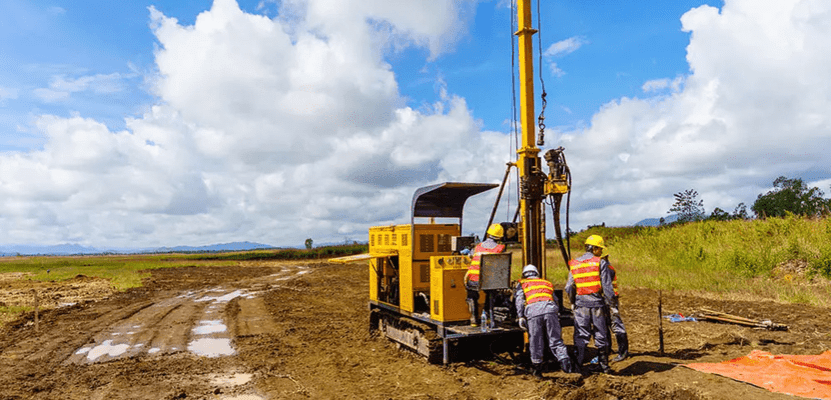
Geotechnical testing involves the assessment of soil and rock properties at a construction site. This process is integral in determining the suitability of the ground for supporting structures such as buildings, bridges, and dams. The data gathered from geotechnical testing lays the foundation for informed decision-making throughout the construction process.
In the intricate dance of construction, our focus often lands on the towering structures above ground, but beneath lies silent hero—geotechnical testing
Alex Michel
Preventing Construction Failures:
One of the primary reasons for construction failures is inadequate understanding of subsurface conditions. Geotechnical testing helps identify potential challenges such as soil instability, excessive settlement, or the presence of groundwater. Armed with this knowledge, engineers can design foundations that mitigate these risks, preventing catastrophic failures and ensuring the safety of the built environment.
Optimizing Design and Cost Efficiency:
Geotechnical testing provides essential information for optimizing the design of foundations and other structural elements. By tailoring designs to the specific conditions of the site, construction professionals can achieve greater efficiency and cost-effectiveness. This proactive approach minimizes the need for over-engineering and reduces construction costs.
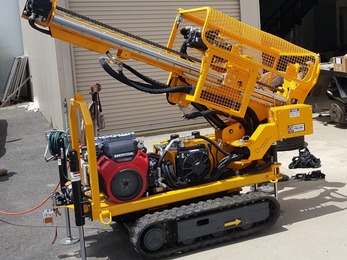
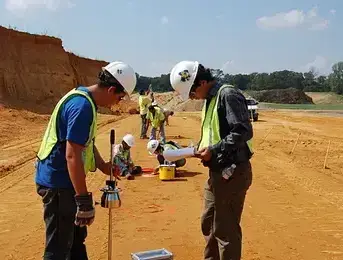
The Geotechnical Testing Process: Geotechnical testing involves various methods, including soil borings, laboratory testing, and in-situ testing. Soil samples are collected and analyzed to determine key properties such as bearing capacity, shear strength, and settlement characteristics. This comprehensive understanding of the soil's behavior enables engineers to make informed decisions at every stage of the construction process.
Conclusion: In conclusion, geotechnical testing is the unsung hero of successful construction projects. By unveiling the mysteries beneath the surface, this process empowers engineers to design robust foundations, mitigate risks, and ensure the longevity of structures. As we continue to push the boundaries of construction innovation, let's not forget the critical role that geotechnical testing plays in laying the groundwork for a stable and resilient built environment.