Geotechnical Instrumentation: Monitoring & Control
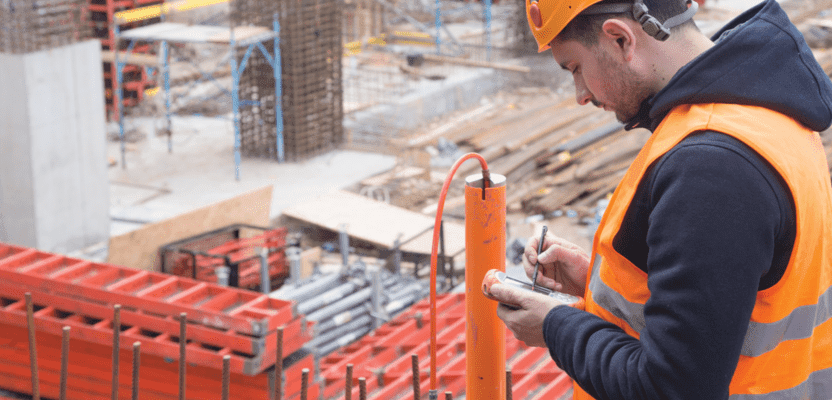
Geotechnical instrumentation has come a long way from conventional monitoring methods. Today, engineers have access to a myriad of sophisticated tools that provide real-time data on ground behavior, allowing for proactive decision-making. These innovations have reshaped the landscape of construction, offering unprecedented insights into the complex interactions between structures and the subsurface.
Geotechnical instrumentation, a technological leap in construction's evolution, transcends traditional monitoring methods.
Alex Michel
Real-Time Monitoring for Enhanced Decision-Making:
One of the key advantages of modern geotechnical instrumentation is the ability to monitor ground conditions in real time. Whether it's monitoring slope stability, settlement, or pore water pressure, these instruments provide continuous data streams that empower engineers to make informed decisions promptly. This proactive approach is instrumental in preventing potential issues before they escalate.
Case Studies: Transforming Challenges into Successes:
Let's delve into a couple of case studies that exemplify the transformative power of geotechnical instrumentation. In a tunneling project, real-time monitoring of ground deformation allowed engineers to adjust excavation parameters on the fly, avoiding potential collapses and ensuring worker safety. Another example is the construction of a bridge where automated instrumentation detected changes in foundation behavior, prompting timely intervention to prevent structural damage.
Advanced Instrumentation Technologies:
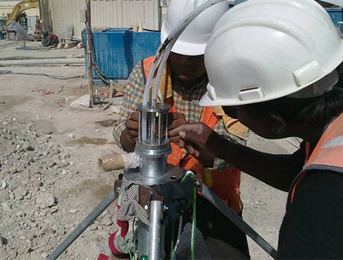
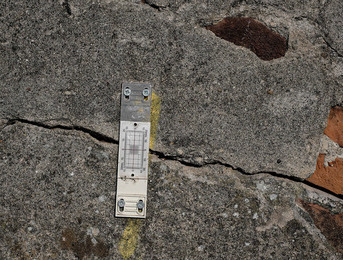
Several groundbreaking technologies have emerged in the field of geotechnical instrumentation. Inclinometers, piezometers, and settlement gauges are now equipped with wireless communication, enabling seamless data transmission and remote monitoring. Automated total stations and satellite-based systems offer precise deformation monitoring over large areas, providing a comprehensive view of ground behavior.
Benefits of Geotechnical Instrumentation:
The adoption of advanced geotechnical instrumentation brings a plethora of benefits to construction projects. These include early detection of potential issues, optimized construction processes, improved safety, and enhanced overall project efficiency. The ability to remotely monitor and control geotechnical conditions reduces the need for site visits, saving time and resources.
Conclusion: As we witness the continuous evolution of geotechnical instrumentation, it's clear that these innovations are not just technological luxuries but indispensable tools for ensuring the stability and success of construction projects. By embracing these advancements, we are not only monitoring the ground beneath our structures but actively shaping a future where real-time data transforms challenges into opportunities and where the stability of our constructions is always at the forefront of progress.